Creating Inclusive Spiritual Services for All
- Christine COCHRAN
- May 4
- 4 min read

In a world that is beautifully diverse, spiritual services must reflect that richness. Creating spaces where everyone feels welcome, valued, and understood is not just a goal—it is a necessity. When spiritual guidance embraces inclusivity, it opens doors to healing, connection, and profound growth. This journey toward inclusive spiritual services invites us to listen deeply, adapt thoughtfully, and serve wholeheartedly.
Understanding the Heart of Inclusive Spiritual Services
Inclusive spiritual services are about more than just opening doors. They are about creating environments where every person, regardless of background, identity, or belief, feels seen and supported. This means recognizing the unique paths people walk and honoring their experiences with respect and compassion.
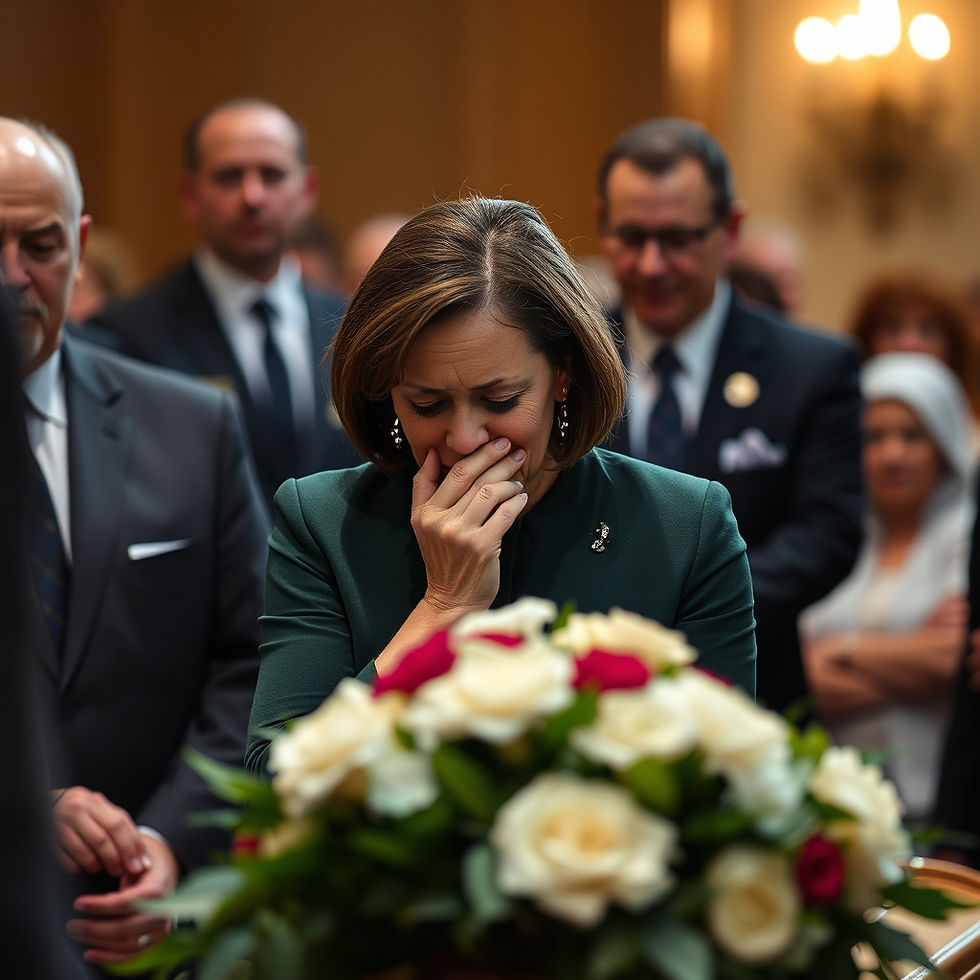
For example, consider a ceremony officiant who tailors a wedding or a memorial service to reflect the couple’s or family’s cultural traditions, spiritual beliefs, and personal values. This approach transforms a standard ritual into a deeply meaningful experience. It shows that spirituality is not one-size-fits-all but a tapestry woven from many threads.
To foster this, spiritual leaders can:
Educate themselves on different cultural and spiritual traditions.
Use inclusive language that avoids assumptions about gender, relationship status, or belief systems.
Invite participation from community members to share their stories and perspectives.
Create flexible rituals that can be adapted to individual needs.
This openness encourages trust and invites more people to engage with spiritual services in ways that resonate with their hearts.

Practical Steps to Build Inclusive Spiritual Services
Building inclusive spiritual services requires intentional action. It is a process that involves reflection, learning, and ongoing adjustment. Here are some practical steps that can guide this journey:
Assess the Current Environment
Take a close look at the physical space, language, and practices. Are there barriers that might unintentionally exclude someone? For instance, is the space wheelchair accessible? Are materials available in multiple languages?
Engage with the Community
Listen to the voices of those who might feel marginalized or overlooked. Their insights are invaluable in shaping services that truly welcome all.
Train Leaders and Volunteers
Provide education on cultural competency, unconscious bias, and inclusive communication. This empowers everyone involved to contribute positively.
Offer Diverse Programming
Include events and services that celebrate different traditions, holidays, and life experiences. This diversity enriches the community and broadens understanding.
Use Technology Thoughtfully
Remote services can reach people who cannot attend in person due to distance, health, or other reasons. Ensure these services are accessible and engaging.
By taking these steps, spiritual leaders can create a foundation that supports ongoing growth and inclusion.
The Role of Language and Ritual in Inclusion
Language is a powerful tool in shaping how people experience spiritual services. Inclusive language respects identities and fosters belonging. For example, using gender-neutral pronouns or avoiding assumptions about family structures can make a significant difference.
Rituals, too, hold great potential for inclusion. They can be adapted to honor diverse beliefs and practices. Imagine a blessing ceremony that incorporates elements from multiple faiths or a meditation session that welcomes different styles of mindfulness.
Here are some ways to make language and ritual more inclusive:
Use open-ended invitations like “partner” instead of “husband” or “wife.”
Incorporate symbols and music from various cultures.
Invite participants to share their own prayers, readings, or reflections.
Create space for silence and personal interpretation within rituals.
These choices show respect for individuality and create a shared sacred space where everyone can feel at home.

Embracing Technology to Expand Reach and Accessibility
In today’s connected world, technology offers incredible opportunities to make spiritual services more inclusive. Remote services can bridge geographical gaps and accommodate those with mobility challenges or busy schedules.
To maximize the benefits of technology:
Use user-friendly platforms that are accessible on multiple devices.
Provide clear instructions for joining and participating.
Offer captioning or sign language interpretation for those with hearing impairments.
Record sessions for those who cannot attend live.
Technology also allows for creative formats, such as virtual meditation groups, online workshops, and interactive ceremonies. These can foster community and connection beyond physical boundaries.
By embracing technology thoughtfully, spiritual leaders can extend their reach and deepen their impact.
Nurturing a Culture of Continuous Learning and Compassion
Creating truly inclusive spiritual services is an ongoing journey. It requires humility, openness, and a willingness to learn from mistakes. Spiritual leaders and communities benefit from regularly reflecting on their practices and seeking feedback.
Some ways to nurture this culture include:
Hosting regular training and discussion groups on inclusion topics.
Encouraging honest conversations about challenges and successes.
Celebrating diversity through storytelling and shared experiences.
Committing to personal growth as spiritual guides and community members.
This commitment to continuous learning fosters a warm, welcoming environment where everyone can explore their spirituality safely and authentically.
In this spirit, inclusive ministry services become a living practice—one that evolves with the community and honors the sacredness of every individual’s journey.
Opening Doors to Universal Love and Connection
At its core, inclusive spiritual services are about opening doors—doors to understanding, healing, and universal love. They invite all to step inside, to be seen, and to be embraced just as they are.
This openness transforms not only the individual but the entire community. It creates a ripple effect of compassion and connection that extends far beyond any single ceremony or service.
As spiritual guides like Rev. Christine Cochran demonstrate, the path to inclusion is also a path to deeper meaning. It is a call to honor the interconnectedness of all beings and to celebrate the diverse ways we seek and express the sacred.
May this journey inspire all who seek to create spaces where every soul can find peace, purpose, and belonging.


Comments